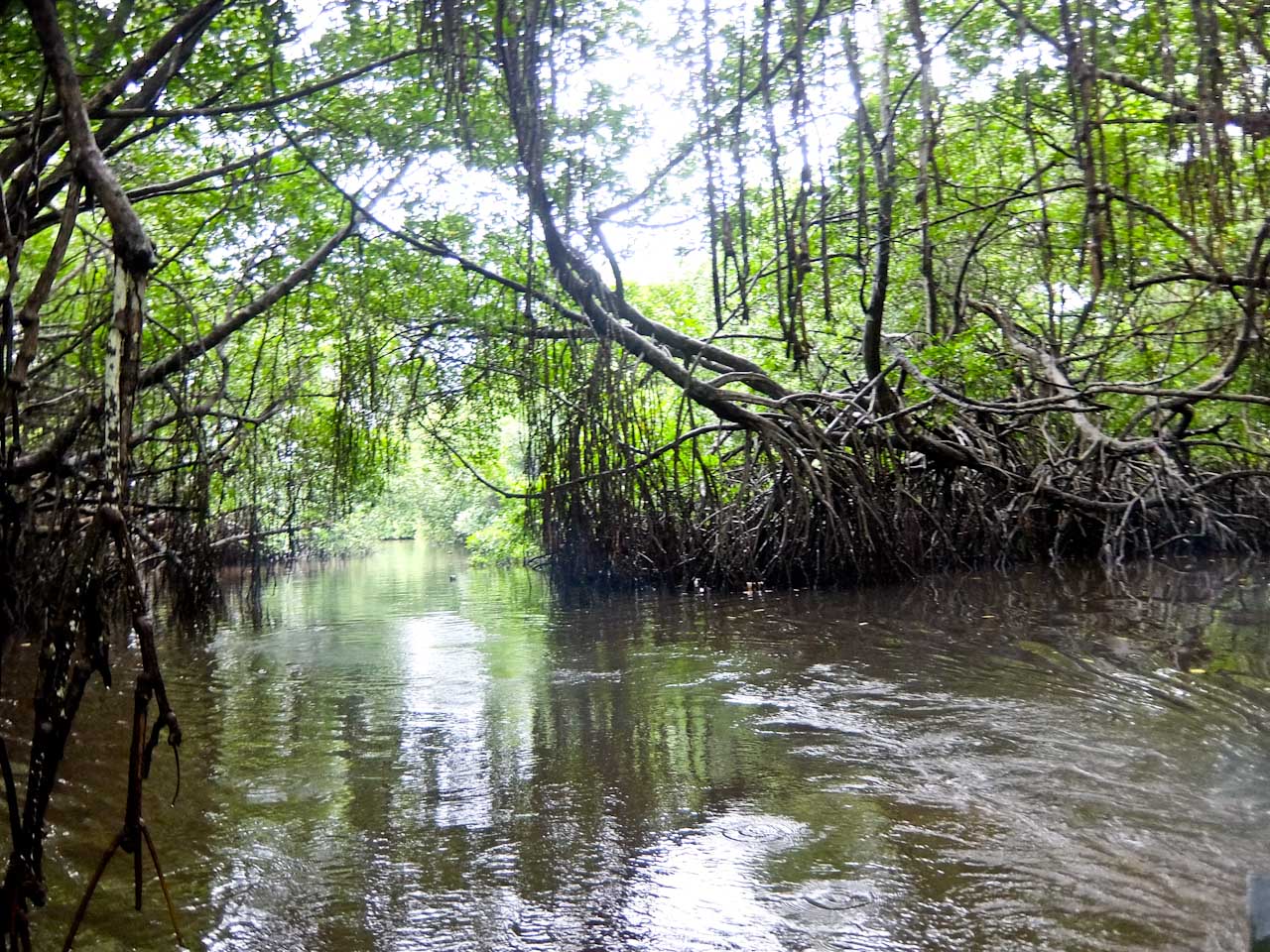
Mangrove Tunnels
Morning hours provide soft lighting
Position your camera low near the water line to capture the symmetrical archways of overhanging branches and roots.

Pictures from the Bentota Ganga tend to fall into three kinds: mangrove tunnels, wildlife at close range, and the wide estuary near the river mouth. This bentota river safari photos guide explains what produces each one, and what the boat and the tide have to do with it.
Quick answer
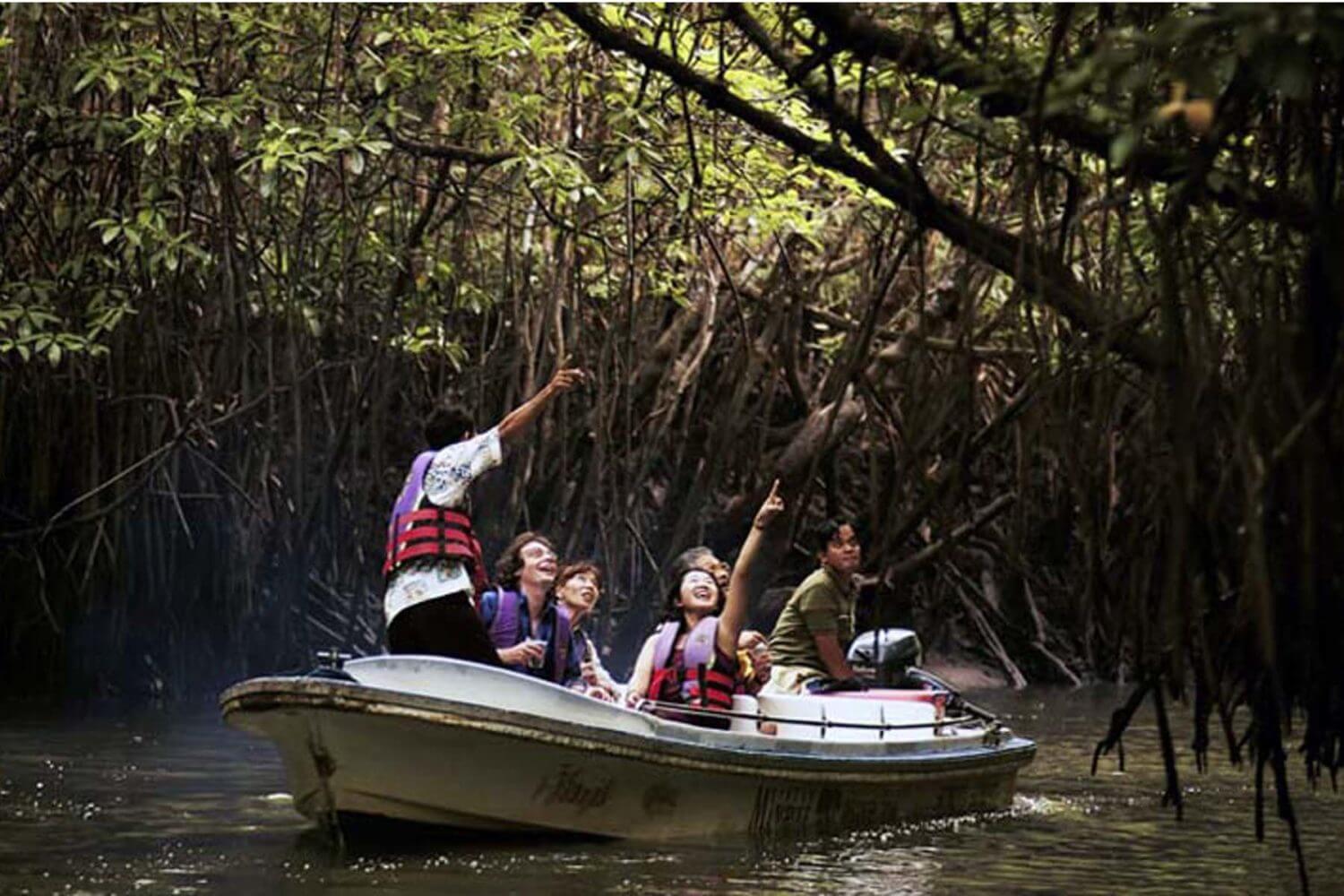
Most bentota river safari photos come from a single stretch: the mangrove estuary between the Bentota road bridge and the upstream lagoon, worked daily between 07:00 and 18:00. Access to the river itself costs 0 LKR; only the boat is paid. The 07:00–10:00 window gives flatter light and more active wildlife. Haze and glare build after midday.
The Bentota Ganga is tidal for several kilometres inland, which means the river photographed at breakfast is not the river photographed at dusk. Roots that stand clear of the water at low tide sit submerged a few hours later. This is the first thing that explains why bentota river safari photos taken on the same bend, by different visitors, rarely look alike. The second is the boat. Most trips run on small outboard craft seating six to ten, low to the waterline, which puts the lens roughly at eye level with a basking water monitor. The river runs from the lagoon at Aluthgama down to a narrow mouth beside Bentota beach, and the stretch in between carries the mangrove tunnels, brackish channels and fish traps that most visitors came for. Wildlife here is incidental rather than staged: kingfishers working the shallows, fruit bats hanging in riverside trees, monitor lizards on fallen trunks, the occasional mugger crocodile. A Bentota River boat tour is therefore an exercise in readiness rather than composition. Skippers cut the engine when something is spotted, the boat drifts, and the window lasts seconds. Three practical consequences follow. Low light early and hard glare later both argue for a fast shutter rather than a wide aperture, because the boat moves even when it is idling. Spray is constant near the river mouth, so a cloth and a sealed bag matter more than a second body. And the mangrove tunnels are dim, green and reflective, which flatters wide-angle work and punishes slow autofocus. Visitors shooting with phones do better bracing against the gunwale than zooming. Access to the water itself is free; what is booked and paid for is the boat, privately or per person, which is the single decision that shapes the resulting pictures. A private hire can hold position; a shared departure keeps moving. Readers planning their own set of bentota river safari photos should settle the boat arrangement first through the booking pages, then treat timing, route and the named viewpoints as the sections below handle them in detail. The Bentota Ganga mangrove cruise rewards patience more than equipment, and the Sri Lankan southwest coast landmarks nearby, among them the river mouth, the old bridge and the lagoon, stay secondary to what happens in the channels.
“The river is tidal, so the same bend photographed at breakfast and at dusk is not the same picture.”
Morning hours provide soft lighting
Position your camera low near the water line to capture the symmetrical archways of overhanging branches and roots.
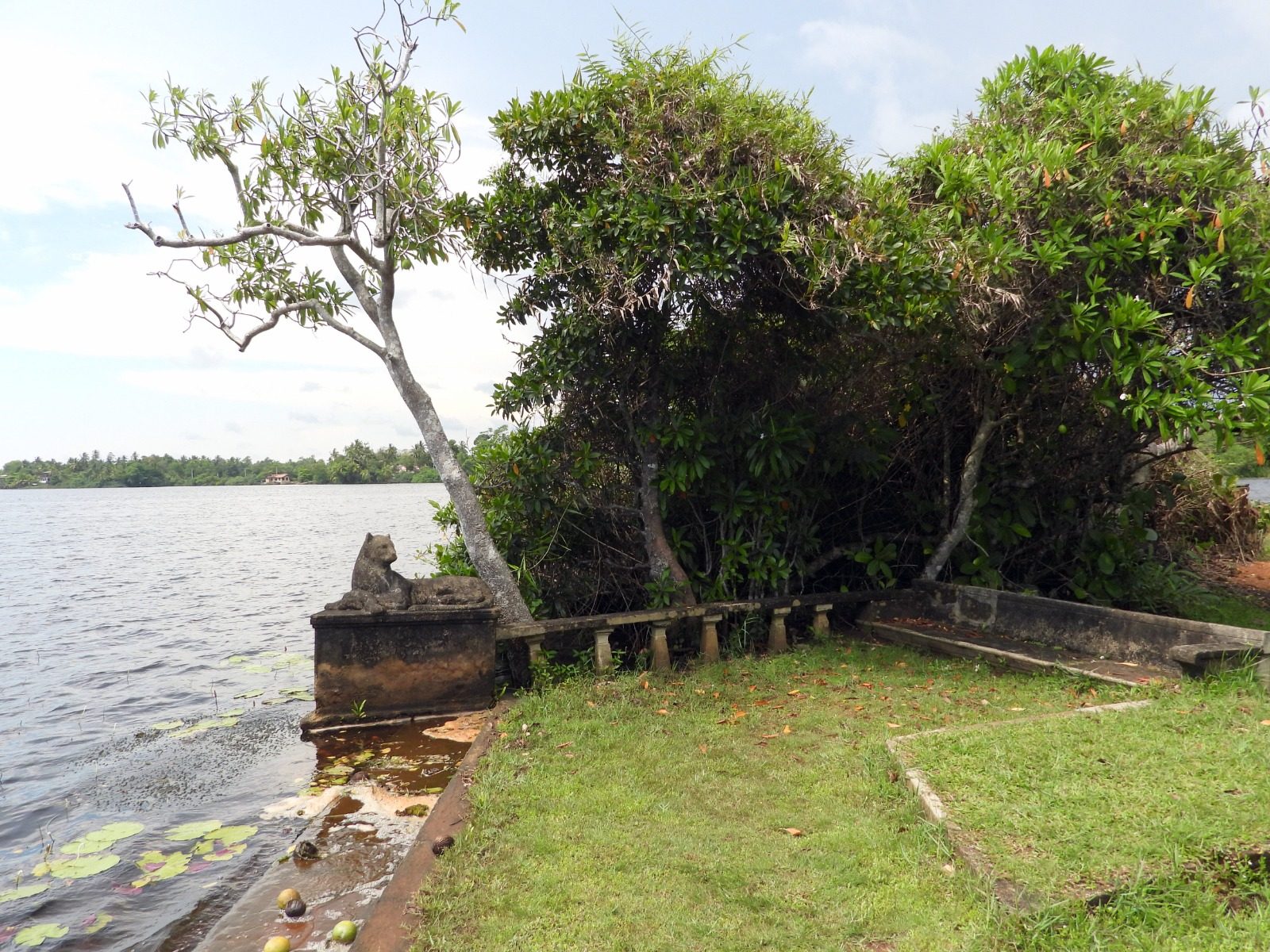
Early morning for calm water
This riverside perspective allows for shots of the temple architecture framed by water palms and greenery.
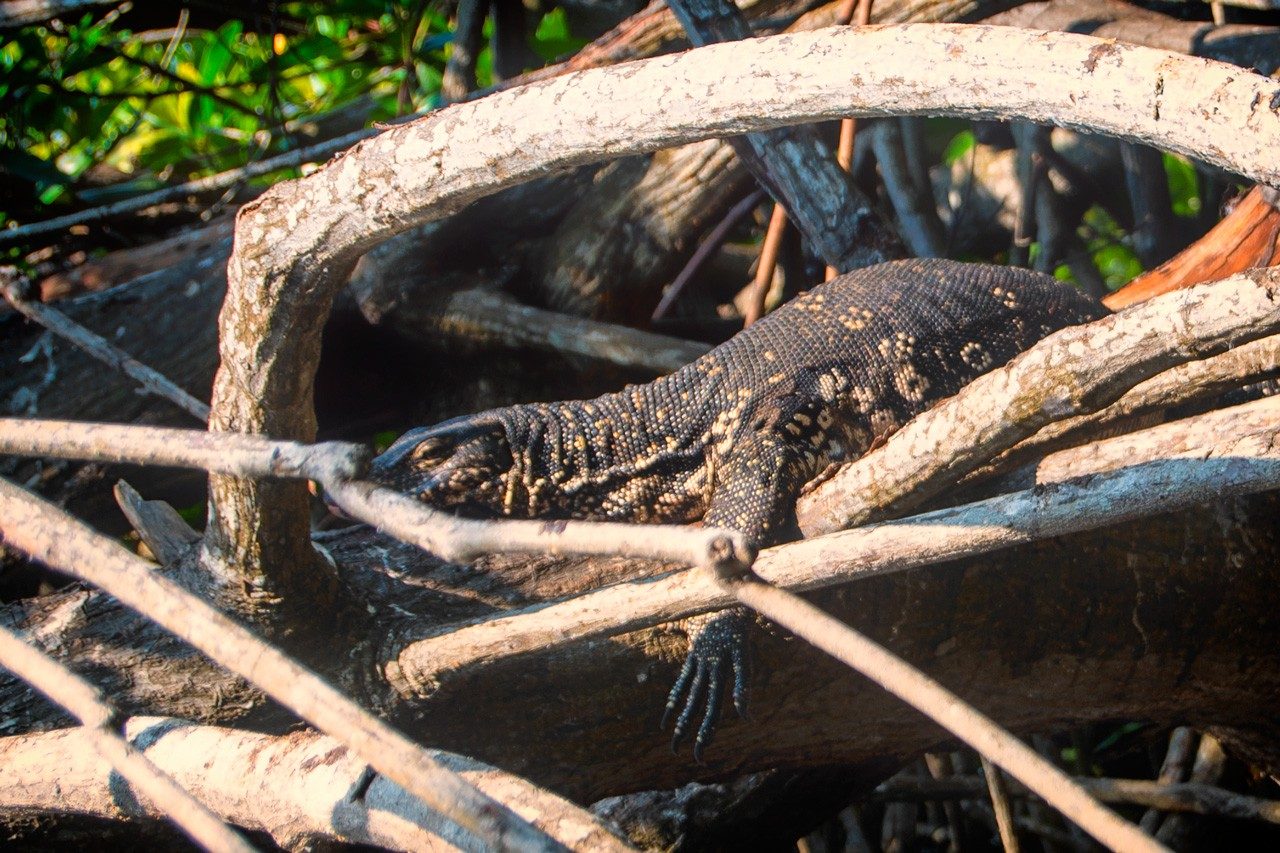
Early morning for active wildlife
Maintain a zoom lens ready to capture monitor lizards or birds on the river banks against the lush backdrop.
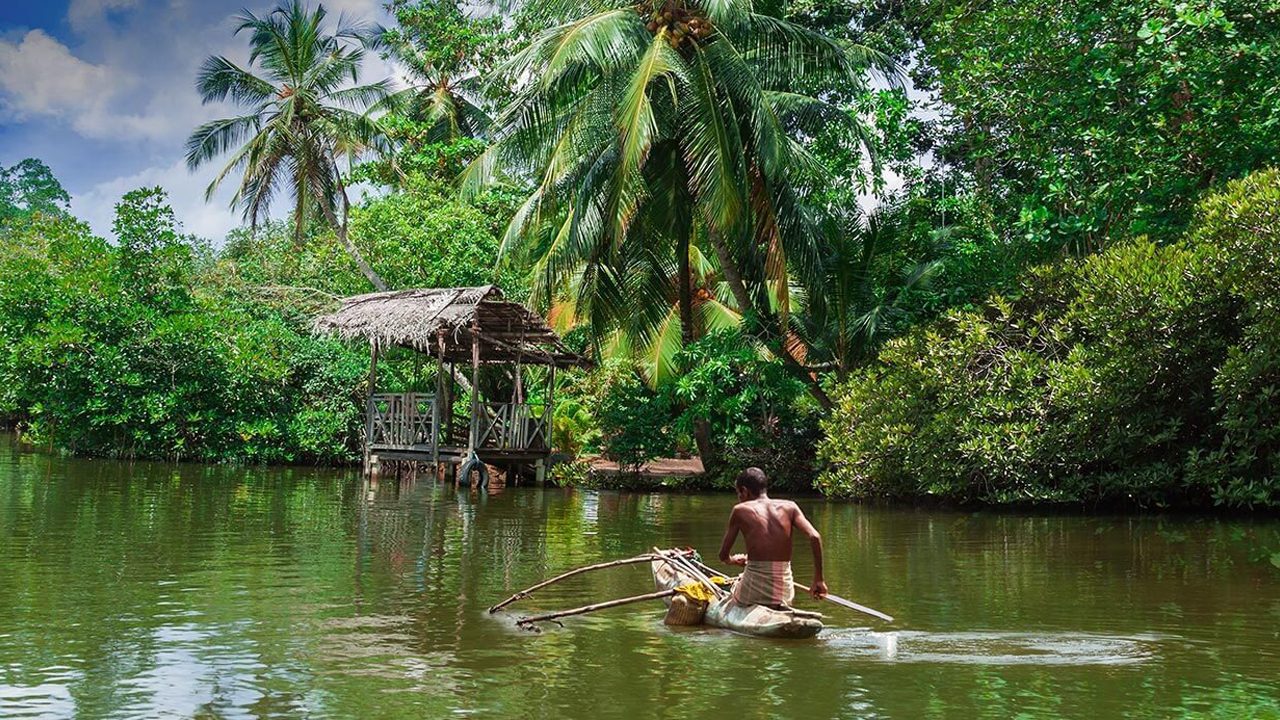
Early morning before wind increases
The wider sections of the river offer mirror-like reflections of the sky and jungle canopy when the water is still.
The best arrival window is 07:00–10:00, which offers the most favorable conditions for photography. This timeframe provides cooler weather and higher wildlife activity before the midday heat impacts animal behavior.
Dry, sunny with 28–30°C
Ideal visibility for wildlife and landscape photography during the dry season.
Transition periods with 27–31°C
Good light levels for photographers between the monsoon shifts.
Monsoon rains with 26–29°C
Cloud cover can provide soft, diffused lighting for forest photography.
—
The quietest time for capturing undisturbed nature shots without other boat traffic.
Verdict: For optimal lighting and wildlife activity, target the 07:00–10:00 arrival window on a weekday between January and March.
The Bentota River safari operations are open daily to accommodate photographers looking to capture the river environment. The consistent schedule allows for reliable planning throughout the week.
There is no cost to access the Bentota River area itself. Safari expenses depend entirely on private boat charters arranged for photography sessions.
Verdict: Individual travelers pay 0 LKR for entry, while specific photography excursions are settled through private boat hire rates.
The Bentota River is located on the southwest coast of Sri Lanka, accessible primarily via the A2 highway or the coastal railway line. Most visitors reach the departure points for river safaris by private transport or taxi from nearby beach resorts.
Coastal Line to Bentota Station
A2 Highway (Galle Road) to Bentota
Direct transfer to Bentota River departure points
Plan your arrival between 07:00 and 10:00 to ensure optimal lighting for photography and increased wildlife visibility before the temperature rises.
Everything you need to know about bentota river safari photos
The best arrival window is between 07:00 and 10:00. Visiting during these hours provides cooler weather and higher wildlife activity for your bentota river safari photos.
The entrance fee to the site is 0 LKR. Safaris are paid per boat or per person based on a private booking arrangement.
Yes, you are encouraged to bring your gear to capture the mangroves, monitor lizards, and diverse bird species. Many visitors find that the calm water of the river provides the ideal lighting for high-quality images.
While exploring the ecosystem, you may encounter water monitors, crocodiles, and various aquatic birds. These creatures often appear near the riverbanks, offering unique opportunities for photography.
It is generally safe to bring a camera, but ensure it is protected from water splashes. Taking precautions against humidity and moisture is recommended when navigating the river channels.
The departure point is located at Bentota River, Bentota, Sri Lanka. You can reach this area easily by local taxi or public transport services near the main coastal road.