
2 hr
Bentota River Safari: Mangroves & Wildlife Encounter
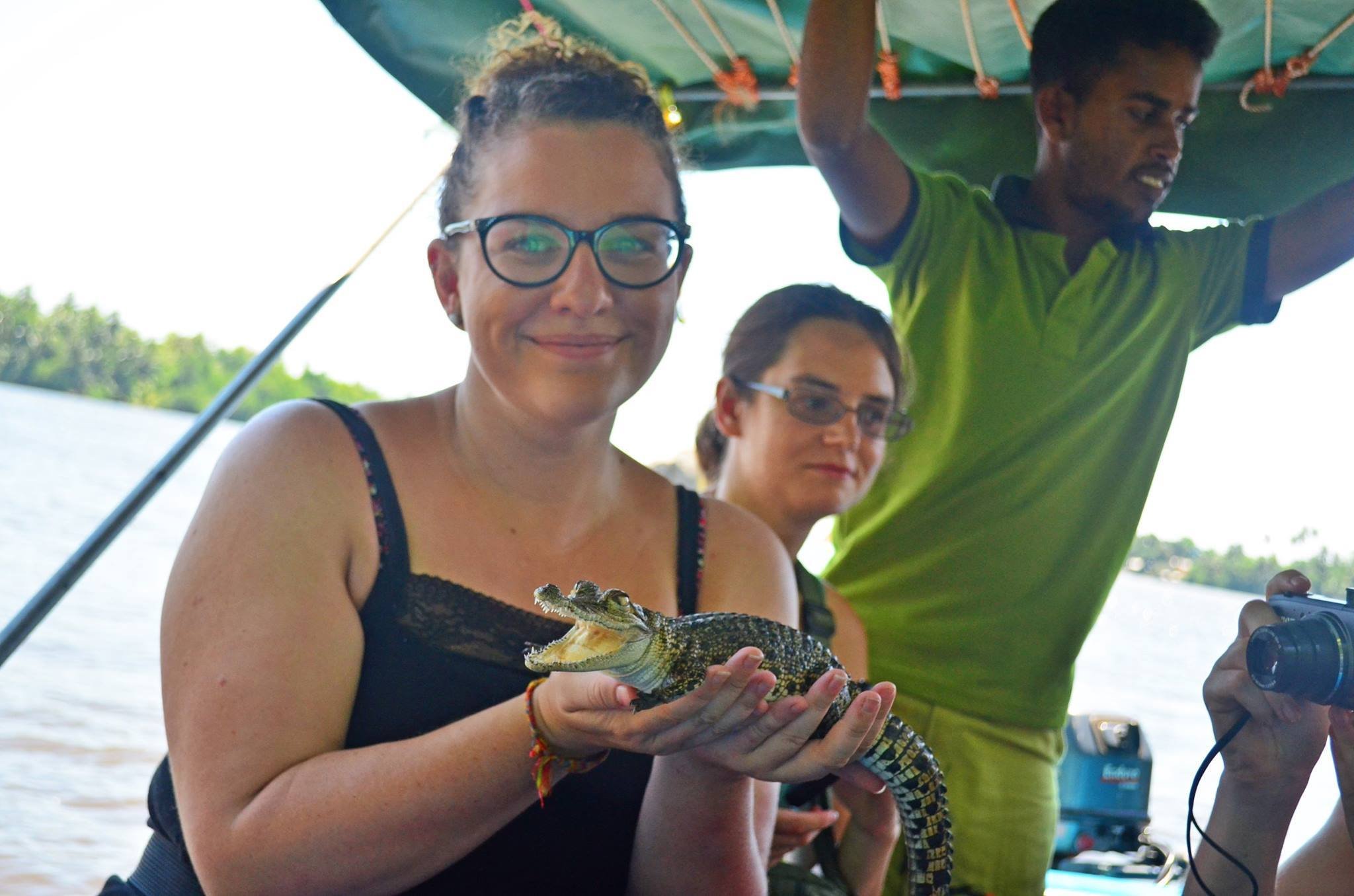
Cruise Bentota River by boat and spot crocodiles, monitors, and monkeys in the mangroves.
Reserve
Hand-picked by our editors — only the best 5 experiences from 18 reviewed
Verified partners for every tour, free cancellation where available, and instant confirmation on every booking.
2 hr
Cruise Bentota River by boat and spot crocodiles, monitors, and monkeys in the mangroves.
Reserve
2 hr
Cruise Sri Lanka's third-largest river by boat and spot crocodiles, birds, and lush mangroves.
Reserve
3 hr 30 min
Glide through coastal wetlands, meet rescued sea turtles, and explore spice-scented islands
ReservePrices from verified partners. Availability updates in real time at checkout. Free cancellation policies apply where shown.
The landmarks, rooms, and views travelers on this tour remember — all visible on a single visit.
Visit this island to see local farmers process cinnamon bark using traditional methods.
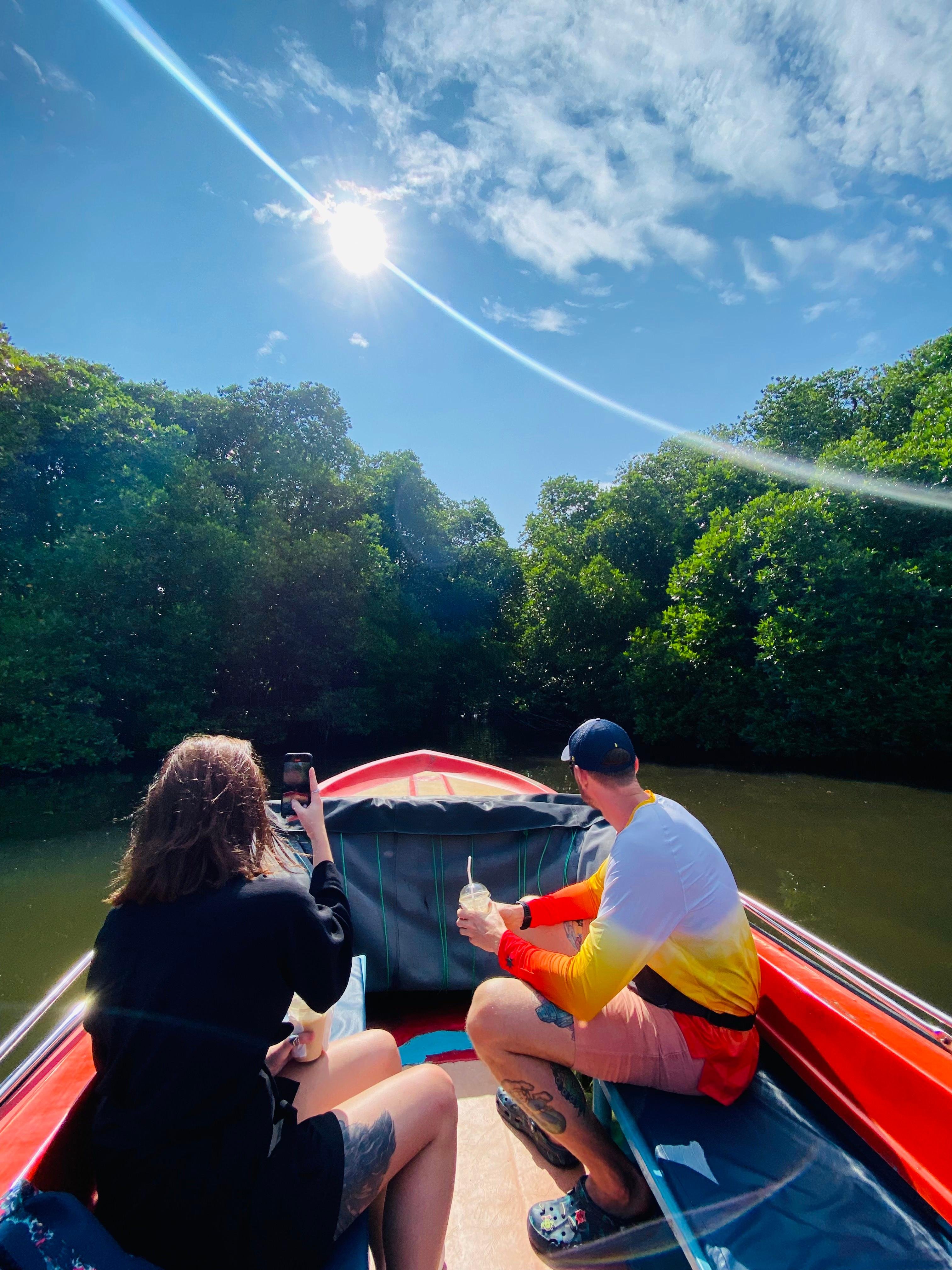
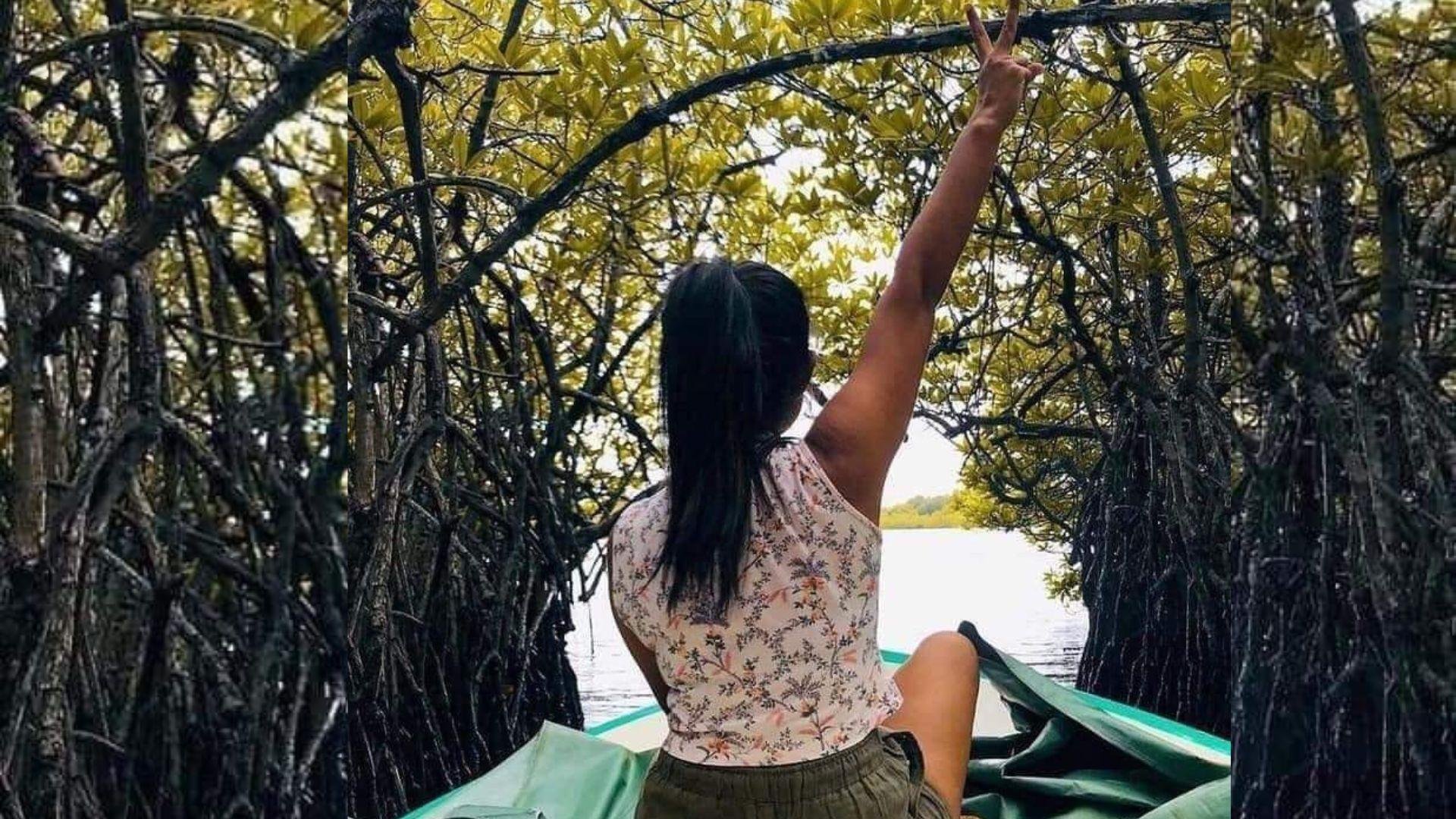
Pass through dense, winding natural tunnels formed by ancient mangrove roots.
Participate in a natural therapy session with local river fish.
Explore this historic religious site situated on a serene island in the river.
Observe diverse avian species, including kingfishers and egrets, in their habitat.
The Madu River offers intimate mangrove tunnels, while the Bentota River provides expansive waterways; choosing between these bentota to madu river safari tours depends on whether you prioritize tight jungle exploration or open-water navigation.
| Feature | Top pick Bentota River | Madu River |
|---|---|---|
Biodiversity focus |
Open estuary species | Dense mangrove ecosystem |
Channel width and accessibility |
Wide river channels | Narrow, intricate tidal passages |
Typical tour duration |
1.5–2 hours | 2–2.5 hours |
Level of commercial development |
Moderate infrastructure | High, with island stops |
Primary wildlife sightings |
Water birds and crocodiles | Monkeys, lizards, and mangroves |
| See tickets → |
Verdict: Opt for these bentota to madu river safari tickets if you prefer open vistas, or select the rival for a more enclosed, island-hopping nature excursion.
Choose your ticket, select your date, and reserve in under two minutes. Secure checkout handled by our verified partner.
Instant confirmation by email, with a mobile voucher you can save offline. No printing, no queuing at a collection desk.
Arrive at the entrance, show your voucher on your phone, and walk in. Most tickets include priority or skip-the-line access.
Practical details for your visit straight from our verified partners — hours, access, rules, and how to get there.
Balapitiya, Sri Lanka
Main river embarkation point for all operators.
Take the coastal train to Balapitiya station.
Direct transfer from Bentota hotels.
Casual, lightweight clothing is recommended for a bentota to madu river safari tour. Ensure you have sun protection, as river reflection increases exposure.
Small daypacks are suitable for your bentota to madu river safari tickets. Secure all loose items, as the boats transit narrow mangrove channels.
Photography is encouraged during your bentota to madu river safari. Bring waterproof casing to protect your gear from splashes.
The bentota to madu river safari uses traditional wooden boats. Please inform your operator of mobility requirements prior to booking.
Families find the bentota to madu river safari educational. Life jackets are provided for children of all ages.
Carry bottled water for your boat ride. Some tours include stopovers at local cinnamon islands where light refreshments may be available.
Balapitiya, Sri Lanka
Main river embarkation point for all operators.
Get directionsBest time to go, insider tips, nearby landmarks, and the cancellation fine print — flip through to skim what matters to you.
How crowds, weather, and events shift across the year.
Drier weather provides the most consistent wildlife spotting conditions.
Warm temperatures with occasional light tropical rain showers.
Transition period with lush vegetation and moderate river currents.
Increased rainfall, which sustains the dense mangrove forest ecosystem.
Small details that turn a good visit into a great one.
Morning slots ensure cooler temperatures for your river excursion.
Non-bookable sights within a short walk — free to visit, easy to pair.
A historic Buddhist temple located on a small river island.
Artistic landscape garden formerly home to Bevis Bawa.
Expansive coastal stretch where the river meets the sea.
Flexible, no hidden fees.
Full refunds are provided for cancellations made at least 24 hours in advance. Please note that the 25 USD entrance and conservation fee is typically non-refundable once the operator has secured your booking.
Hand-picked options within walking distance — pick a district for vibe, or a specific hotel for convenience.
Upscale lodging located directly on the river banks.
Convenient local stays near the boat departure point.
Full-service coastal resorts for extended stays.
Madu Ganga — the River of Honey — forms the largest remaining wetland complex on Sri Lanka's southwest coast, a 915-hectare estuary that has absorbed monsoon floods and sheltered fishing communities for more than two millennia. The river's name derives from the Sinhala term for sweetness, a reference to the dense stands of kitul palms whose sap was once boiled into jaggery along these banks. By the early 20th century, commercial logging had begun to fragment the mangrove corridors that stabilise the delta; a 1996 designation as a Ramsar Wetland of International Importance halted clearance and returned the river to ecological balance. Today the estuary supports 303 plant species and 111 bird species, many of them endemic to the island's wet zone. The journey from Bentota follows the coastal trunk road 12 kilometres south to Balapitiya, where the river mouth opens onto a lattice of tidal channels and mangrove islands. Boatmen pole narrow oruwa — traditional outrigger canoes — through tunnels of Rhizophora and Bruguiera, the submerged prop-roots filtering sediment and nursing juvenile fish. Water monitors, some exceeding a metre in length, drape themselves across low branches. Egrets and kingfishers work the shallows. On the larger islands, Buddhist hermitages date to the Kandyan period; Kothduwa Temple, reached by a short footbridge, preserves frescoes from the 18th century and a bodhi sapling descended from the sacred tree at Anuradhapura. Bentota to Madu River safari tours typically allocate two to three hours for the boat circuit, with optional stops at cinnamon plantations where bark is hand-peeled in the same manner recorded by 16th-century Portuguese traders. The river's salinity gradient — freshwater upstream, brackish at the mouth — creates micro-habitats visible within a single bend: freshwater reeds giving way to salt-tolerant mangroves, then open mudflats where waders probe for crustaceans. Conservation fees support replanting programmes that have added 40 hectares of mangrove cover since 2010, reinforcing the delta against storm surge and sea-level rise. The estuary remains one of the few sites on the island where visitors can observe a functioning wetland ecosystem at paddling speed, with minimal engine noise and no paved access disrupting the shoreline.
"The river's name derives from the Sinhala term for sweetness, a reference to the dense stands of kitul palms whose sap was once boiled into jaggery along these banks."
A step-by-step walkthrough of the visit — what you'll see, how long each stage takes, and the details that matter.
You depart Bentota's hotel zone mid-morning, the coastal road threading past toddy-tapper villages and roadside fruit stalls. At Balapitiya the boatman steadies the oruwa as you step aboard; the hull sits low, stable, cushioned with kapok mats. The first channel is wide, fringed with pandanus and coconut, then narrows into a mangrove tunnel where the canopy closes overhead and the water darkens to tea-brown. Prop-roots arch into the current like ribs. Your guide cuts the outboard and poles silently; within seconds a water monitor slides from a log, its forked tongue testing the air. You glide past a heron motionless in the reeds, then out into open water where a dozen islands scatter across the estuary. The boat pulls alongside Kothduwa; you walk the short causeway to the temple courtyard, remove your shoes, and step into the dim interior where oil lamps flicker beneath centuries-old frescoes. Back on the water, the boatman steers toward a cinnamon island. A worker peels long strips of inner bark, the air sharp with volatile oils. You taste a sliver — woody, faintly sweet — then return to the boat for the final loop through the delta, kingfishers darting ahead of the bow as the river widens toward the sea.
The attraction is open daily from 07:00–18:00.
The 25 USD entrance and conservation fee covers the standard boat operator access per foreign adult.
The best arrival window is 07:00–11:00 when wildlife is most active.
Yes, children are welcome on this nature-focused excursion.
A standard boat tour typically lasts between 1.5 to 2 hours.
Booking your bentota to madu river safari in advance is recommended to ensure boat availability.
Yes, photography is highly recommended during your time on the water.
Yes, items like drones and alcohol are prohibited for guest safety.
Wear comfortable, breathable clothing and bring sun protection.
Yes, many visitors combine the tour with trips to the nearby Kothduwa Temple.